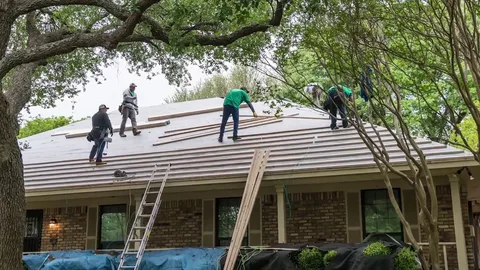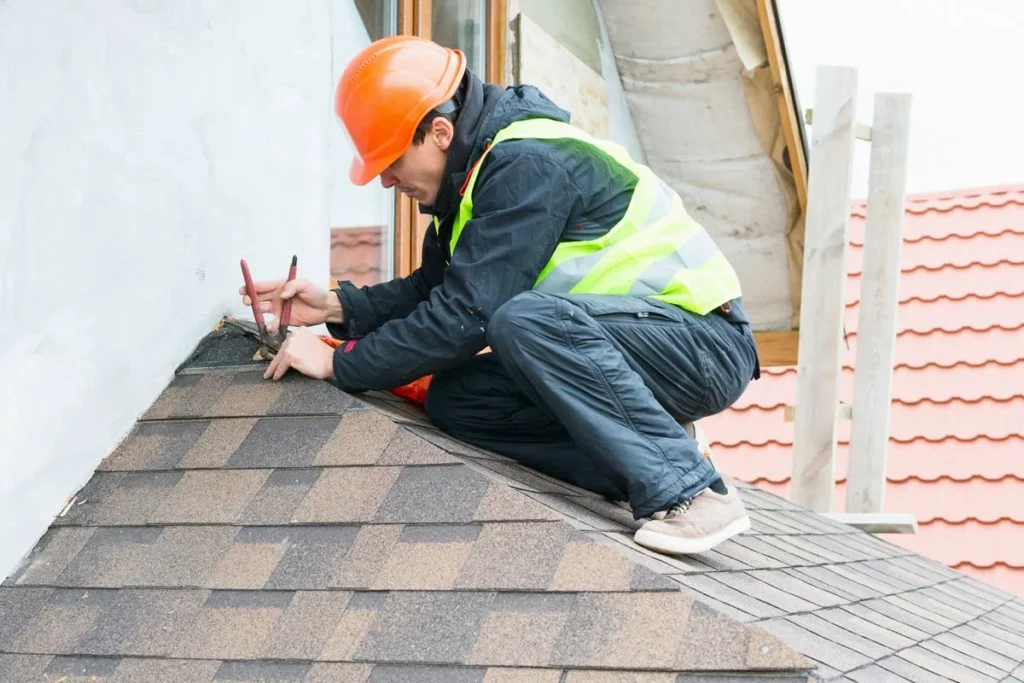
Installing a new roof is one of the most important investments you can make for your home. While many homeowners focus on materials, style, and cost, weather conditions play a critical role in the quality, timing, and durability of your roof installation.
From rain and wind to extreme heat or freezing temperatures, weather can either make your installation smooth or create unexpected challenges. Understanding these factors can help you plan better, protect your investment, and work effectively with your contractor. Lexington Roof Company specializes in safe and high-quality roof installations all year round, no matter the weather conditions.
Why Weather Matters During Roof Installation
Weather impacts nearly every stage of a roofing project—from preparation and material delivery to actual installation. The right conditions ensure:
- Proper adhesion of shingles and sealants
- Safe working environment for roofing crews
- Accurate installation without long-term damage
- Fewer delays and project disruptions
Choosing the right season and working with an experienced contractor like Lexington Roof Company ensures that your new roof performs reliably for decades.
What Is the Best Weather for a Roof Installation?
The most ideal times for roof installation are spring and fall. Mild, clear weather makes it easier for contractors to work efficiently and ensures materials adhere correctly.
- Spring: Offers moderate temperatures and dry conditions.
- Fall: Cooler temperatures prevent shingles from becoming too soft, while rain is usually limited.
September often emerges as the most popular month for roof installations, with April also being a preferred choice. While summer and winter installations are possible, they require extra precautions and may affect timelines.
How Do Extreme Temperatures Affect Roofing Materials?
Extreme Heat
High temperatures during summer can make asphalt shingles or other roofing materials soft and more prone to scuffing. This can increase the risk of damage during installation. Additionally, crews face heat-related safety risks, requiring frequent breaks and slowing down work.
Extreme Cold
In winter, shingles can become brittle and more likely to crack, while adhesives and sealants may not set properly. Tools like nail guns and compressors may also underperform, making installation more challenging. Cold-weather installations demand specialized equipment and experienced crews to ensure quality.
What Impact Do Rain and Moisture Have on Roof Installation?
Rain is a major factor that can delay roofing projects:
- Wet surfaces are slippery, creating safety hazards.
- Moisture can prevent shingles and underlayment from adhering correctly, increasing the risk of leaks.
- Prolonged wet conditions may trap water under roofing materials, leading to mold, rot, or long-term damage.
High humidity also slows the drying of adhesives and sealants, affecting overall installation quality. Contractors must carefully monitor weather forecasts and may need to pause work until conditions improve.
How Do Snow, Ice, and Frost Affect Roof Installation?
Cold weather, snow, and ice create hazardous working conditions. Ice and frost make the roof surface extremely slippery, while snow requires removal and extra preparation.
Additionally:
- Adhesives and sealants may not bond properly in freezing temperatures.
- Heavy snow accumulation can stress the roof structure.
- Extra time is needed for safety measures, slowing down the project.
How Do High Winds Affect Roof Installation?
High winds are a serious safety concern for roofing crews:
- Loose shingles or panels can blow away during installation.
- Wind makes handling large materials difficult and can dislodge tools.
- Adhesives and fasteners may not set correctly under windy conditions.
Contractors monitor wind speeds and may reschedule work to ensure safety and high-quality installation.
Can I Get a New Roof in Winter?
Yes, it’s possible to install a roof during winter, but it requires experience and careful planning. A professional team can:
- Use specialized cold-weather adhesives and materials
- Adjust working techniques to maintain shingle integrity
- Schedule longer timelines to account for weather interruptions
Winter installations may take more time, but off-season scheduling often provides more flexibility and availability from contractors.
When Should I Plan My Roof Installation?
If your roof project isn’t urgent, it’s best to schedule during optimal weather months, typically spring or fall. This reduces stress, ensures fewer delays, and improves installation quality.
However, with an experienced contractor like Lexington Roof Company, homeowners can safely schedule roof installations any time of the year. Monitoring weather forecasts and using professional techniques ensures a durable and long-lasting roof even during less ideal seasons.
Additional Tips to Protect Your Roof Installation from Weather
- Work with experienced contractors: Knowledgeable teams adapt techniques to weather conditions.
- Use weather-resistant materials: UV-protected shingles, moisture-resistant underlayment, and cold-weather adhesives.
- Prepare your home: Remove nearby obstacles and ensure gutters are clean.
- Monitor conditions: Stay in regular contact with your contractor for updates on weather delays.
Extra Considerations: Local Climate and Material Choice
Different regions face unique weather challenges. For instance:
| Weather Type | Recommended Material/Adjustment | Notes |
| Hot, Sunny | UV-resistant asphalt shingles | Prevent warping and fading |
| Cold, Frosty | Cold-weather adhesive & flexible shingles | Prevent cracking |
| Rainy / Humid | Waterproof underlayment | Prevent leaks and mold |
| Windy | Extra fasteners / interlocking shingles | Secure materials |
Selecting materials suited to your local climate is as important as timing the installation itself.
Frequently Asked Questions About Roof Installation and Weather
1. Can I install a roof in winter?
Yes, winter roof installations are possible with the right precautions. Experienced contractors use cold-weather adhesives and flexible shingles to ensure proper installation. Projects may take longer due to temperature challenges, but a professional team can safely complete the work.
2. What is the best weather for a roof installation?
The optimal times are spring and fall, when temperatures are moderate and rainfall is limited. These conditions allow materials to adhere properly and crews to work safely. However, summer and winter installations can still be done with expert planning.
3. How does rain affect roof installation?
Rain can make roof surfaces slippery, posing a safety hazard. It can also prevent shingles and underlayment from adhering correctly, increasing the risk of leaks, rot, or mold. High humidity slows drying times, so many contractors pause work until surfaces are dry.
4. How do high winds impact roofing projects?
Strong winds make handling materials difficult, can dislodge shingles or panels, and may reduce the effectiveness of adhesives. Contractors typically monitor wind speeds closely and may reschedule installation to ensure safety and quality.
5. Do extreme temperatures damage roofing materials during installation?
Yes. Extreme heat softens shingles, making them prone to scuffing, while extreme cold can make shingles brittle and adhesives ineffective. Proper timing and professional techniques ensure materials perform as intended.
6. How do snow, ice, and frost affect roof installation?
Snow and ice create slippery and unsafe working conditions. They also impact adhesives and sealants, potentially compromising shingle installation. Extra preparation, such as snow removal and safety measures, is required for winter roofing projects.
7. How can I protect my roof installation from weather-related damage?
Work with an experienced contractor, choose weather-resistant materials, prepare your worksite, and monitor local forecasts. Timely installation and professional expertise prevent long-term damage and ensure durability.
Final Thoughts
Weather significantly impacts roof installation, affecting safety, material performance, and project timelines. From extreme temperatures to wind, rain, snow, and ice, planning your roof installation around weather conditions is critical.
Working with a professional contractor like Lexington Roof Company ensures:
- High-quality workmanship
- Safe installation practices
- Long-lasting results, regardless of season
By understanding how weather affects roofing and making informed decisions, homeowners can protect their investment and enjoy a durable, beautiful roof for years to come.